
Managed IT that works with the team you already have.
Your team runs the day-to-day well. It's the rest that stretches a thin crew: the deep specialty no one has time for, the overnight alert with no one watching, the projects that keep getting pushed. We cover that part alongside your people, and hand it back so they come out stronger.Start with an Infrastructure Review and we'll map how your IT is covered today, where the gaps are, and what we'd take on.
A capable team, stretched too thin to get ahead.
Most teams we meet are good at their jobs, but never have enough time to get to every project. The problem of the day always takes precedent, so the work that would move the needle slides to next quarter. The one person who knows the firewall is the same person who knows the backups, which is fine until the week they're on vacation and something breaks.
That's where a co-managed partner helps. We work alongside your team so the projects that keep sliding finally get done, and so one person being out doesn't leave you exposed. When a problem runs deeper than the day-to-day, you've got engineers who already know your systems ready to jump in. Your team stays in charge; they just stop carrying all of it alone.
Sound familiar?
Projects that never reach the top of the list.
Too much knowledge siloed in one person.
Alerts firing after hours with no one watching.
What we cover so your team can get ahead.

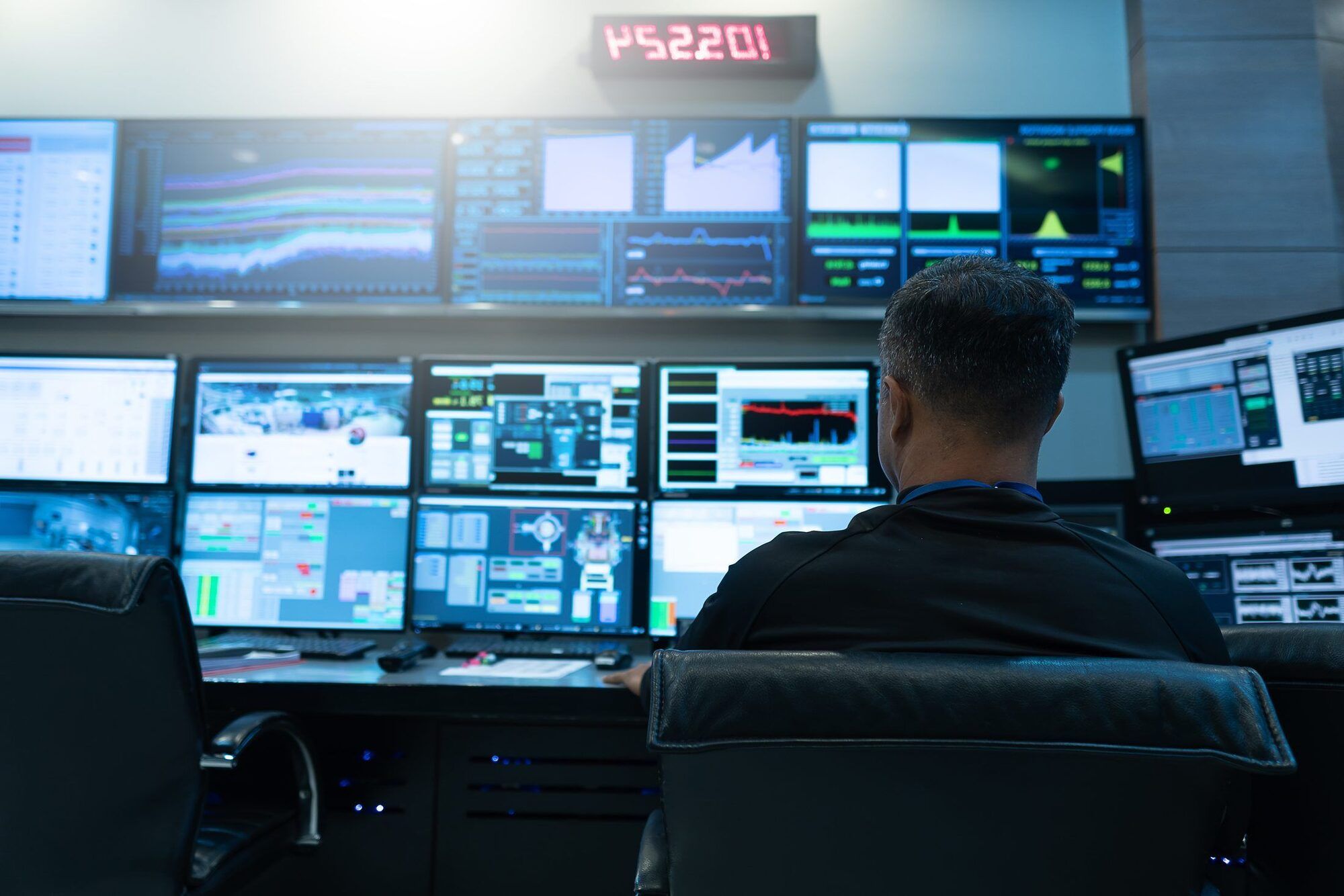
Eyes on your systems when your team is off the clock.
Through Overwatch, our monitoring overlay, we watch your network, servers, and security alerts and step in when something fires, at the hours you need. A failing drive or a midnight alert reaches us in time to act, so your team isn't the only thing between an alert and an outage.
%20--%3e%3cdefs%3e%3cstyle%3e%20.st0%20{%20fill:%20%23005a94;%20}%20.st0,%20.st1,%20.st2,%20.st3,%20.st4%20{%20stroke:%20%2333373d;%20}%20.st0,%20.st1,%20.st4%20{%20stroke-width:%204px;%20}%20.st0,%20.st3,%20.st4%20{%20stroke-linejoin:%20round;%20}%20.st1%20{%20stroke-linecap:%20round;%20}%20.st1,%20.st2%20{%20fill:%20none;%20}%20.st2%20{%20stroke-width:%203.5px;%20}%20.st3%20{%20fill:%20%23fbb652;%20stroke-width:%203px;%20}%20.st4%20{%20fill:%20%23007ac9;%20}%20%3c/style%3e%3c/defs%3e%3cpath%20class='st1'%20d='M24,14v-6c0-4,2-6,6-6h12c4,0,6,2,6,6v6'/%3e%3crect%20class='st0'%20x='8'%20y='20'%20width='68'%20height='46'%20rx='7'%20ry='7'/%3e%3crect%20class='st4'%20x='2'%20y='14'%20width='68'%20height='46'%20rx='7'%20ry='7'/%3e%3cline%20class='st2'%20x1='2'%20y1='28'%20x2='70'%20y2='28'/%3e%3crect%20class='st3'%20x='31'%20y='22'%20width='10'%20height='13'%20rx='2.5'%20ry='2.5'/%3e%3c/svg%3e)
The expertise you bring in for special projects.
OT security, advanced networking and BGP, a full cybersecurity program through Guardian Giant, cloud migrations. These are skills your team runs into a few times a year, and we have engineers who do this work every day. You reach that depth the moment a project calls for it, ready to go.

The routine maintenance that keeps projects from stalling.
Patching, vulnerability management through Tenable, endpoint coverage, and backup checks run on a schedule in the background. The upkeep that eats your team's week gets handled, so those hours go back into the work only they can do.

A plan and a second set of eyes, reviewed on a schedule.
We meet with your team on a regular basis to review what's working, what's coming, and what to fix first, and we keep a clear escalation path for the day something breaks. You get a roadmap you helped build and an engineer who already knows your network on the other end of the line.
What a co-managed partnership covers.
Co-managed IT works because the line between your team and ours is drawn on purpose. You keep what you're good at and own day to day; we cover the depth and provide the resources you don't always have access to.
What you keep
The day-to-day and the relationships.
Your team stays the face of IT, owns the help desk and the systems they run well, and keeps the knowledge that makes them valuable.
The decisions.
You set priorities and approve the work. We bring options and a recommendation; the call is yours.
What we cover
The deep specialties.
OT, advanced networking, the cybersecurity program, cloud moves. Your team hits this work now and then; our engineers do it every day, and they're ready the moment it comes up.
The watch and the upkeep.
Monitoring, alerting, and response through Overwatch, plus the patching and maintenance that would otherwise pile up on your team.
The overflow.
The project backlog that always gets pushed back for more urgent issues. We keep your roadmap on track.
We do the work with your team, and we teach as we go.
- We train your team on what we're doing.Your people should come out of every project more capable than they went in. Dependency is not our business model.
- You get direct access to the engineer doing the work.No account manager in the middle. The person you talk to knows your systems.
- We're transparent about what things cost.Hardware, licensing, labor. When a different approach saves you money, we say so.
- We show up in person when the job needs it.Some work needs hands on the equipment, and we'd rather be there for it. We cover the continental US, and we'll travel wherever we need to.
Built for utilities, municipalities, and the teams that can't afford to stand still.
We work alongside the in-house teams that keep communities running, where a thin crew covers a lot of ground and the work can't pause while someone catches up.

Electric utilities and cooperatives.
Small IT teams carrying billing, operations, and the systems behind the grid. We bring the OT and network depth and the after-hours watch they can't keep on staff.
%20--%3e%3cpolygon%20points='34,50%2098,50%2066,24'%20fill='%23C9CCD1'%20stroke='%2333373D'%20stroke-width='4'%20stroke-linejoin='round'/%3e%3crect%20x='30'%20y='50'%20width='72'%20height='9'%20rx='2'%20fill='%23C9CCD1'%20stroke='%2333373D'%20stroke-width='4'%20stroke-linejoin='round'/%3e%3crect%20x='34'%20y='58'%20width='64'%20height='40'%20rx='3'%20fill='%23C9CCD1'%20stroke='%2333373D'%20stroke-width='4'%20stroke-linejoin='round'/%3e%3crect%20x='28'%20y='98'%20width='76'%20height='12'%20rx='2'%20fill='%23C9CCD1'%20stroke='%2333373D'%20stroke-width='4'%20stroke-linejoin='round'/%3e%3c!--%20pediment%20front%20--%3e%3cpolygon%20points='28,44%2092,44%2060,18'%20fill='%23F6F7F9'%20stroke='%2333373D'%20stroke-width='4'%20stroke-linejoin='round'/%3e%3ccircle%20cx='60'%20cy='33'%20r='6'%20fill='%23D9EDF9'%20stroke='%2333373D'%20stroke-width='3'/%3e%3c!--%20building%20body%20front%20--%3e%3crect%20x='28'%20y='52'%20width='64'%20height='40'%20rx='3'%20fill='%23F6F7F9'%20stroke='%2333373D'%20stroke-width='4'%20stroke-linejoin='round'/%3e%3c!--%20columns%20--%3e%3cline%20x1='34'%20y1='56'%20x2='34'%20y2='90'%20stroke='%23616365'%20stroke-width='5'%20stroke-linecap='round'/%3e%3cline%20x1='45'%20y1='56'%20x2='45'%20y2='90'%20stroke='%23616365'%20stroke-width='5'%20stroke-linecap='round'/%3e%3cline%20x1='75'%20y1='56'%20x2='75'%20y2='90'%20stroke='%23616365'%20stroke-width='5'%20stroke-linecap='round'/%3e%3cline%20x1='86'%20y1='56'%20x2='86'%20y2='90'%20stroke='%23616365'%20stroke-width='5'%20stroke-linecap='round'/%3e%3c!--%20door%20--%3e%3cpath%20d='M52%2092%20V66%20Q52%2060%2060%2060%20Q68%2060%2068%2066%20V92%20Z'%20fill='%23007AC9'%20stroke='%2333373D'%20stroke-width='3.5'%20stroke-linejoin='round'/%3e%3c!--%20entablature%20front%20--%3e%3crect%20x='24'%20y='44'%20width='72'%20height='9'%20rx='2'%20fill='%23F6F7F9'%20stroke='%2333373D'%20stroke-width='4'%20stroke-linejoin='round'/%3e%3c!--%20steps%20front%20--%3e%3crect%20x='22'%20y='92'%20width='76'%20height='12'%20rx='2'%20fill='%23F6F7F9'%20stroke='%2333373D'%20stroke-width='4'%20stroke-linejoin='round'/%3e%3c!--%20flag%20--%3e%3cline%20x1='60'%20y1='18'%20x2='60'%20y2='7'%20stroke='%2333373D'%20stroke-width='3.5'%20stroke-linecap='round'/%3e%3cpath%20d='M60%208%20L73%2011%20L60%2014%20Z'%20fill='%23007AC9'%20stroke='%2333373D'%20stroke-width='3'%20stroke-linejoin='round'/%3e%3c/svg%3e)
Municipalities and county governments.
One or two people covering every department on a public budget. We cover the depth and the overnight, document the work for the board and the audit, and keep the cost predictable.
%20--%3e%3cdefs%3e%3cstyle%3e%20.st0%20{%20fill:%20%23f6f7f9;%20stroke-linejoin:%20round;%20stroke-width:%203.5px;%20}%20.st0,%20.st1,%20.st2,%20.st3,%20.st4%20{%20stroke:%20%2333373d;%20}%20.st1%20{%20fill:%20%23d9edf9;%20}%20.st1,%20.st3,%20.st5,%20.st4%20{%20stroke-width:%204px;%20}%20.st2%20{%20stroke-width:%203px;%20}%20.st2,%20.st3,%20.st5%20{%20fill:%20none;%20stroke-linecap:%20round;%20}%20.st5%20{%20stroke:%20%23007ac9;%20}%20.st4%20{%20fill:%20%23c9ccd1;%20}%20%3c/style%3e%3c/defs%3e%3cellipse%20class='st4'%20cx='35.69'%20cy='31.5'%20rx='28'%20ry='22'/%3e%3cline%20class='st3'%20x1='10'%20y1='47.5'%20x2='2'%20y2='93.5'/%3e%3cline%20class='st3'%20x1='50'%20y1='47.5'%20x2='58'%20y2='93.5'/%3e%3cline%20class='st2'%20x1='7'%20y1='65.5'%20x2='54'%20y2='89.5'/%3e%3cline%20class='st2'%20x1='53'%20y1='65.5'%20x2='6'%20y2='89.5'/%3e%3crect%20class='st0'%20x='25'%20y='49.5'%20width='10'%20height='44'%20rx='1'%20ry='1'/%3e%3cellipse%20class='st1'%20cx='30'%20cy='31.5'%20rx='28'%20ry='22'/%3e%3cpath%20class='st5'%20d='M10,32.42c8-5,16,3,24-1,6-3,12,2,16-1'/%3e%3cline%20class='st2'%20x1='18'%20y1='1.5'%20x2='42'%20y2='1.5'/%3e%3cline%20class='st2'%20x1='20'%20y1='1.5'%20x2='20'%20y2='10.5'/%3e%3cline%20class='st2'%20x1='30'%20y1='1.5'%20x2='30'%20y2='9.5'/%3e%3cline%20class='st2'%20x1='40'%20y1='1.5'%20x2='40'%20y2='10.5'/%3e%3c/svg%3e)
Water and wastewater authorities.
Crews that run treatment and operations with little or no dedicated IT. We handle the monitoring, the maintenance, and the specialties, scaled to a team that wears many hats.

ISPs and telecom providers.
Lean operations teams whose networks have to stay up around the clock. We add managed network coverage and response so the watch doesn't fall on the same few people every night.

Manufacturing.
Plant IT that can't be in two places when the line is running and a server needs attention. We take the maintenance, the monitoring, and the specialties so production stays the priority.

Growing enterprises.
Teams that have outgrown what one or two people can cover but aren't ready to staff a full department. We fill the gap with depth and coverage that flex as you grow.
What teams ask before they bring in a co-managed partner.
Carrying more than your team can cover? Let's find the gaps and draw the line.
Tell us what your team runs and where it's stretched, and you'll talk it through with an engineer who works with teams like yours. If you don't need a co-managed partner, we'll tell you.